

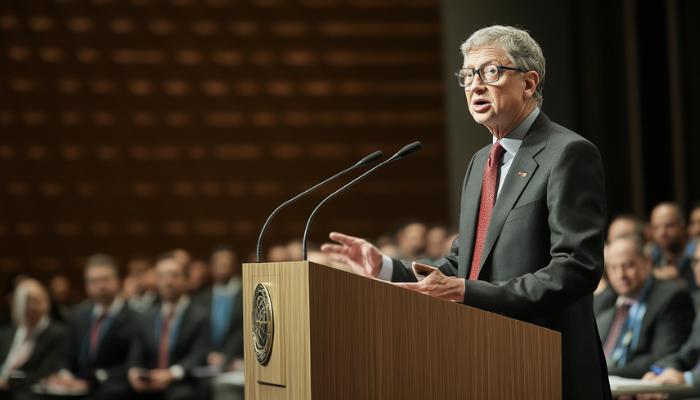
Who is the most powerful doctor in the world? It’s a fascinating question that goes far beyond the walls of hospitals and clinics. Power in medicine is not only about performing complex surgeries or discovering new treatments—it’s also about shaping global health policies, guiding governments, influencing international organizations, and leading groundbreaking research that affects millions of lives.
In the modern world, doctors can hold extraordinary influence across healthcare systems, scientific research, and international health organizations. Some physicians lead global institutions, others pioneer revolutionary medical breakthroughs, while a few become trusted voices during worldwide health crises. Determining who is the most powerful doctor in the world involves examining their influence, authority, global recognition, and the impact of their work on humanity.
This article explores what makes a doctor powerful, highlights some of the most influential physicians in global health, and explains how medical leadership shapes the future of healthcare across the world.
What Defines the Most Powerful Doctor in the World?
Power in medicine does not simply come from medical knowledge. A powerful doctor typically holds influence over healthcare systems, medical research, or global health policies. These individuals often work in leadership positions within major health organizations, governments, or influential medical institutions.
For example, some physicians lead global health organizations responsible for responding to pandemics, allocating medical resources, and setting healthcare guidelines for entire countries. Others influence the direction of medical science through research breakthroughs that transform treatment methods worldwide. These roles allow doctors to shape policies and decisions that affect billions of people.
Another key factor in determining who is the most powerful doctor in the world is visibility and trust. During health emergencies, certain doctors become trusted authorities who guide public health strategies and communicate critical information to governments and populations. Their recommendations can influence global vaccination campaigns, disease prevention strategies, and medical preparedness systems.
Ultimately, the most powerful doctors combine medical expertise with leadership, influence, and the ability to drive change in global healthcare systems.
Global Health Leadership and Medical Authority
Many of the most powerful doctors in the world hold leadership roles in international health organizations. These institutions coordinate health policies across nations and respond to global health challenges such as pandemics, infectious diseases, and humanitarian crises.
Doctors working in these organizations often oversee worldwide initiatives related to disease control, vaccination programs, and health research funding. Their decisions determine how resources are distributed, which diseases receive priority attention, and how international health strategies are implemented.
Leadership in global health also requires diplomatic skills and strategic thinking. Influential doctors must collaborate with governments, scientific communities, pharmaceutical companies, and humanitarian organizations. By coordinating these complex networks, they can mobilize resources quickly and ensure effective responses to major health emergencies.
The ability to influence global healthcare policy is a key reason why certain doctors are considered among the most powerful in the world.
Medical Innovation and Research Power
Another way doctors gain global influence is through groundbreaking medical research. Physicians who lead revolutionary discoveries in medicine can transform the future of healthcare and significantly impact millions of patients worldwide.
Medical researchers who develop new treatments, vaccines, or diagnostic technologies often gain enormous influence in the scientific community. Their work can shape entire fields of medicine and inspire further research that leads to life-saving innovations.
For instance, doctors involved in vaccine development, cancer research, genetic medicine, and infectious disease control have changed the course of modern medicine. These breakthroughs not only save lives but also influence global healthcare strategies and medical funding priorities.
In this sense, the answer to who is the most powerful doctor in the world may lie in those who push the boundaries of medical science and redefine what is possible in healthcare.
Doctors Who Influence Governments and Policy
Some physicians gain influence by advising governments and shaping national healthcare policies. These doctors serve as medical advisors, public health leaders, or policymakers who guide governments on critical health decisions.
Their role becomes particularly important during public health crises. Governments rely on experienced physicians to provide evidence-based recommendations on disease control, vaccination strategies, and healthcare infrastructure planning. These decisions can determine how effectively a country manages outbreaks, protects vulnerable populations, and prepares for future health threats.
Doctors who influence government policies also contribute to long-term improvements in healthcare systems. They help design national health programs, establish public health regulations, and promote medical education and research funding.
Because their guidance affects millions of citizens, these physicians hold significant power in shaping the health outcomes of entire nations.
Public Influence and Media Presence
In the modern digital era, some doctors gain influence through public communication and media presence. During global health emergencies, certain physicians become widely recognized experts who provide clear guidance to the public and policymakers.
These doctors often appear in news media, public briefings, and health campaigns to explain complex medical issues in simple terms. Their ability to communicate effectively helps build public trust and encourages communities to follow health recommendations.
Public influence also allows doctors to raise awareness about important health issues such as disease prevention, mental health, vaccination, and lifestyle-related illnesses. Through education and advocacy, they can influence millions of people to adopt healthier behaviors.
This form of influence demonstrates that the most powerful doctors are not only experts in medicine but also skilled communicators who can guide society during critical moments.
Conclusion
So, who is the most powerful doctor in the world? The answer is not limited to a single individual. Power in medicine can come from different sources—global leadership, scientific innovation, government advisory roles, or public influence.
Some doctors shape international health policies, while others revolutionize medical science through groundbreaking discoveries. A few become trusted public voices who guide nations during health crises. Together, these individuals form a powerful network of medical leadership that influences the health and well-being of billions of people worldwide.
In the end, the most powerful doctors are those who use their knowledge, authority, and influence to improve healthcare systems, advance medical research, and protect global public health. Their contributions remind us that medicine is not just a profession—it is a force that shapes the future of humanity.
FAQs
1. Who is considered the most powerful doctor in the world?
There is no single universally recognized most powerful doctor. Influence depends on leadership roles, research contributions, and global health impact.
2. What makes a doctor powerful?
A powerful doctor typically has influence in healthcare policy, medical research, public health leadership, or global health organizations.
3. Can medical researchers be considered powerful doctors?
Yes. Researchers who develop groundbreaking treatments or vaccines can influence global healthcare systems and medical science.
4. Do doctors influence government health policies?
Yes. Many physicians serve as advisors or policymakers who guide governments on healthcare strategies and public health decisions.
5. Are doctors in international organizations powerful?
Doctors working in global health organizations often hold significant influence because they coordinate health initiatives across multiple countries.
6. Can media presence make a doctor powerful?
Yes. Doctors who effectively communicate health information to the public can shape public behavior and health awareness.
7. Are surgeons considered powerful in medicine?
Surgeons can be influential, especially if they pioneer new surgical techniques or lead major medical institutions.
8. How do doctors impact global health?
Doctors impact global health through research, policy leadership, disease prevention strategies, and healthcare innovation.
9. Is power in medicine related to wealth?
Not necessarily. Influence and leadership in healthcare matter more than financial wealth when determining power in medicine.
10. Why is medical leadership important globally?
Medical leadership ensures coordinated responses to health crises, advances medical research, and improves healthcare systems worldwide.











Leave a Reply