

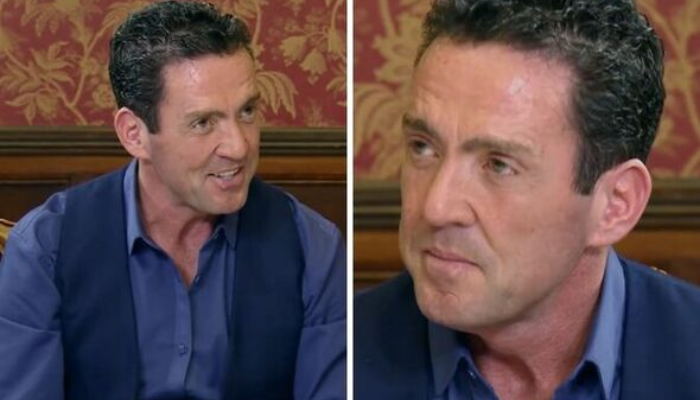
Four in a Bed contestant dies—a phrase that has sparked widespread curiosity, concern, and reflection among television audiences and fans of British reality TV. When news emerges involving the death of a participant from a well-loved show, it naturally triggers emotional responses and questions about their life, legacy, and the impact they left behind. Four in a Bed, known for its competitive yet charming exploration of hospitality across the UK, has built a loyal following over the years, making any such news particularly resonant.
This article takes an in-depth, respectful, and informative look at what it means when a Four in a Bed contestant dies. Rather than focusing on speculation, it explores the broader context: the show’s cultural footprint, the role contestants play in shaping public memory, and how audiences process loss connected to familiar TV personalities. With a creative yet grounded approach, we examine why such stories matter and how they are discussed in the public sphere.
Understanding Four in a Bed and Its Cultural Significance
Four in a Bed is more than a reality television competition; it is a window into the personal and professional lives of small hospitality owners. Contestants open their doors, share their stories, and invite viewers into their worlds. This level of intimacy creates a unique bond between participants and audiences, making any news related to a contestant’s death deeply felt. When the phrase four in a bed contestant dies circulates, it carries emotional weight rooted in years of shared viewing experiences.
The show’s format emphasizes fairness, critique, and personal values, allowing contestants to present not just their businesses but also their personalities. Over time, viewers come to recognize recurring traits—warmth, competitiveness, resilience—that humanize each participant. As a result, contestants are remembered not merely as competitors but as individuals whose journeys briefly intersected with millions of lives.
From a cultural standpoint, Four in a Bed reflects everyday entrepreneurship and British hospitality culture. When a contestant dies, it prompts reflection on the pressures and triumphs faced by small business owners. The show becomes a lens through which audiences consider mortality, legacy, and the lasting impressions people leave behind, even through short television appearances.
Media Attention When a Four in a Bed Contestant Dies
When headlines emerge stating four in a bed contestant dies, media coverage often follows a familiar pattern. Initial reports tend to be brief and factual, focusing on confirmed details and avoiding speculation. This approach reflects both ethical journalism standards and public sensitivity surrounding death. However, as the story spreads, commentary and reflection often deepen, highlighting memorable moments from the contestant’s appearance on the show.
The media plays a significant role in shaping how the public remembers a deceased contestant. Articles and discussions frequently revisit their episodes, emphasizing personality traits, standout moments, or business philosophies. This retrospective framing can transform a brief TV appearance into a lasting narrative, reinforcing the idea that even limited exposure can leave a meaningful imprint.
At the same time, responsible reporting avoids sensationalism. The phrase four in a bed contestant dies may attract clicks, but thoughtful coverage prioritizes respect and context. This balance helps audiences process the news without reducing a person’s life to a single headline, ensuring that remembrance outweighs curiosity.
Public Reaction and Audience Emotional Connection
Audience reactions to news that a Four in a Bed contestant has died often reveal the depth of viewer engagement with reality television. Fans may express surprise at how affected they feel, given that they never met the individual personally. Yet this response is a testament to the power of storytelling and shared experiences fostered through television.
Online discussions frequently focus on empathy and remembrance rather than gossip. Viewers recall scenes that resonated with them, moments of kindness or humor, and lessons learned from watching the contestant navigate competition and criticism. In this way, the phrase four in a bed contestant dies becomes a starting point for collective reflection rather than mere news consumption.
This emotional connection also highlights the evolving relationship between audiences and media figures. Reality TV blurs the line between public and private life, allowing viewers to see authentic reactions and vulnerabilities. When a contestant dies, it reinforces the humanity behind the entertainment, reminding audiences that these are real people with lives beyond the screen.
The Impact on the Show’s Legacy and Fellow Contestants
When a Four in a Bed contestant dies, it can subtly influence how the show itself is perceived. Episodes featuring the individual may be revisited with new perspective, as viewers watch with awareness of the contestant’s later passing. This retrospective viewing often adds emotional depth, transforming competitive moments into poignant memories.
Fellow contestants and participants from other seasons may also feel the impact. Many share similar experiences of filming, stress, and camaraderie, creating a sense of community that extends beyond the show. News that four in a bed contestant dies can resonate strongly within this circle, reinforcing bonds and shared understanding among those who have taken part.
From a legacy standpoint, the show’s archive becomes a form of preservation. Television appearances serve as lasting records of personality, passion, and effort. For families and fans alike, these episodes may hold special significance, offering a way to remember and honor the contestant’s life and work.
Broader Reflections on Reality TV and Mortality
The death of a reality TV contestant invites broader reflection on how society engages with media and mortality. When a Four in a Bed contestant dies, it underscores the transient nature of fame and the enduring value of personal stories. Viewers are reminded that behind every televised moment is a full, complex life.
Reality television often emphasizes competition and entertainment, but moments like these shift focus toward empathy and shared humanity. The phrase four in a bed contestant dies becomes a catalyst for conversations about mental health, work-life balance, and the pressures faced by small business owners who step into the public eye.
Ultimately, such events encourage audiences to view reality TV with greater awareness and compassion. They highlight the importance of respectful discourse and mindful consumption of media, ensuring that individuals are remembered for their contributions rather than reduced to fleeting headlines.
Conclusion
The news that a four in a bed contestant dies resonates far beyond a single television show. It touches on themes of memory, media responsibility, and the deep connections audiences form with people they encounter through screens. Four in a Bed may be a competition, but its contestants represent real lives, ambitions, and stories that continue to matter long after the cameras stop rolling.
By approaching such news with respect and context, viewers and media alike can honor the individual’s legacy while reflecting on the broader impact of reality television. In doing so, the focus shifts from loss alone to appreciation—recognizing how even brief moments of shared storytelling can leave lasting impressions.
Frequently Asked Questions (FAQs)
- What does “four in a bed contestant dies” refer to?
It refers to news reports or discussions about the death of an individual who previously appeared as a contestant on the TV show Four in a Bed. - Why does the death of a Four in a Bed contestant attract attention?
Because contestants share personal stories on the show, audiences often feel a connection that makes such news emotionally impactful. - Is Four in a Bed a scripted show?
No, it is a reality television competition focusing on real hospitality businesses and genuine participant experiences. - How do viewers usually react when a contestant dies?
Reactions often include expressions of sympathy, remembrance of favorite moments, and reflections on the contestant’s personality. - Does the show acknowledge when a contestant has passed away?
Acknowledgment varies, but episodes featuring the contestant often gain renewed attention from viewers. - Why do reality TV contestants feel familiar to audiences?
The format allows viewers to see authentic behavior, creating a sense of familiarity and emotional connection. - Are contestants remembered beyond their episodes?
Yes, memorable contestants are often recalled through reruns, discussions, and audience reflections. - Does media coverage affect how contestants are remembered?
Responsible media coverage can help preserve a respectful and balanced memory of the individual. - What lessons do viewers take from such news?
Many reflect on empathy, the human side of entertainment, and the importance of kindness in public discourse. - Why is respectful discussion important when a contestant dies?
Because it honors the individual’s life and ensures their memory is treated with dignity rather than sensationalism.















Leave a Reply