

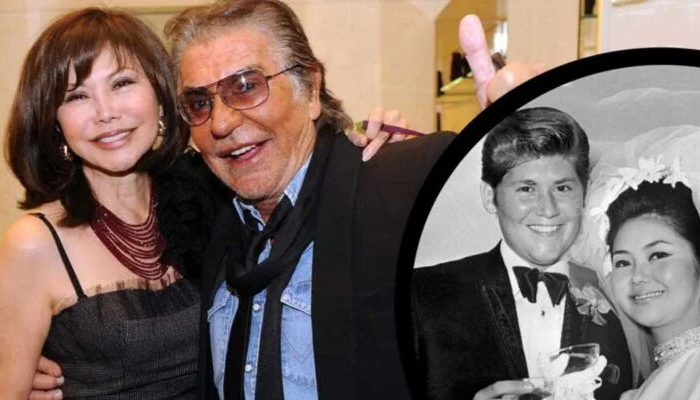
elaine okamura is a name that resonates with creativity, resilience, and a thoughtful merging of tradition with innovation. Whether you’re hearing about her for the first time or returning to explore specific facets of her work, this article serves as a deep, SEO-optimized guide to Elaine Okamura’s life, creative output, and the cultural ripples she creates. Through five detailed sections and a robust FAQ, you’ll discover why “elaine okamura” is a search-worthy term — and why her story matters in contemporary conversations about art, identity, and community.
Early Life and Influences: Where Elaine Okamura’s Story Begins
Elaine Okamura’s early years shaped the themes, mediums, and perspectives she later became known for. Growing up surrounded by a mix of cultural traditions, Elaine drew inspiration from both family histories and local community narratives. These formative experiences are foundational to understanding the motifs and recurring subjects in her creative output. The name “elaine okamura” is often linked to a sensitivity to cultural detail and a practice that honors lineage while remaining forward-looking.
From early mentors to the places she lived and studied, Elaine Okamura collected influences that later informed her aesthetic choices and subject matter. Her exposure to traditional craft techniques and contemporary practices created a hybrid approach — one that blends hand-made sensibilities with conceptual rigor. For anyone researching “elaine okamura,” these early influences explain much of the emotional and technical range that characterizes her work.
Artistic Style and Signature Works: What Defines Elaine Okamura’s Output
Elaine Okamura’s artistic style is notable for its careful balance between texture and narrative. Many who search for “elaine okamura” are seeking insight into the visual language she uses: layered materials, subtle color palettes, and compositions that invite quiet contemplation. Her pieces often work on multiple levels — formal exploration, cultural reference, and personal memory — making them rewarding to study and discuss.
Signature works by Elaine demonstrate a recurring interest in place, memory, and the passage of time. Whether through installations, smaller studio pieces, or collaborative projects, Elaine Okamura consistently foregrounds materials in a way that is tactile yet conceptually rich. For readers keen to learn how “elaine okamura” approaches medium and message, her body of work offers a textbook case of how contemporary artists fuse tradition and experiment without losing clarity of voice.
Themes, Motifs, and Cultural Significance: Why Elaine Okamura Matters
When people search for “elaine okamura,” they often want to understand the bigger themes behind her pieces. Central motifs in Elaine’s work include memory, cultural hybridity, and the ways ordinary objects can hold complex histories. Through repeated visual elements and narrative strategies, Elaine turns familiar materials into carriers of deeper social and emotional meaning. Her practice prompts viewers to reconsider what counts as archive and what counts as art — a compelling intellectual stance in today’s cultural landscape.
Elaine Okamura’s cultural significance extends beyond aesthetic innovation. Her work participates in dialogues about identity, diaspora, and the preservation of intangible heritage, making “elaine okamura” a relevant search term for scholars, curators, and curious readers alike. By engaging communities and foregrounding underrepresented narratives, Elaine helps expand how audiences think about contemporary art’s civic and ethical responsibilities.
Professional Trajectory and Collaborations: The Career Path of Elaine Okamura
Tracking the professional trajectory of Elaine Okamura offers insight into the networks and collaborations that amplified her reach. From local exhibitions to collaborative projects with cultural institutions, Elaine shaped a career built on steady exploration, rigorous craft, and meaningful partnerships. When users search “elaine okamura,” they’re often interested in her exhibitions, residencies, and the organizations that featured her work — all indicators of a career that balances critical respect with community engagement.
Collaborations are a key part of Elaine’s approach. Partnering with other artists, curators, or community groups enabled Elaine Okamura to scale ideas and test new mediums while remaining grounded in local context. These partnerships also helped expand her audience and reinforce the multi-disciplinary nature of her practice. For those researching “elaine okamura,” her collaborative projects illustrate how contemporary creatives build sustainable, influential careers.
Conservation, Legacy, and the Future: What’s Next for Elaine Okamura
Thinking about legacy is essential when studying an artist like Elaine Okamura. Her commitment to craft, narrative, and community suggests a lasting impact on both local and broader art ecosystems. The question many ask when they search “elaine okamura” is how her work will be preserved and transmitted to future generations — a concern that touches museums, archives, and educational initiatives alike. Elaine’s pieces, whether ephemeral installations or durable objects, are ripe for careful conservation strategies that respect their materials and meanings.
Looking forward, the future of Elaine Okamura’s influence likely includes growing academic interest, archival projects, and evolving exhibitions that reinterpret her work in new contexts. Emerging artists who cite “elaine okamura” as inspiration will continue the conversation about cultural continuity and innovation. As her oeuvre gains further attention, curators, conservators, and cultural workers will play an important role in shaping the long-term trajectory of her artistic legacy.
Conclusion
Elaine Okamura stands at the intersection of craft, memory, and contemporary inquiry. Whether you encountered her work via an exhibition, an article, or this guide, the name “elaine okamura” now represents more than an individual creator — it signifies a practice that challenges assumptions about heritage, materiality, and the role of art in public life. By exploring her early influences, signature style, thematic concerns, career path, and likely legacy, readers gain a comprehensive portrait of a creator whose work continues to resonate. Elaine Okamura’s voice is both distinct and inclusive, making her an essential figure for anyone interested in art that is thoughtful, tactile, and socially engaged.
Frequently Asked Questions (FAQs)
1. Who is Elaine Okamura?
Elaine Okamura is a contemporary creative known for combining traditional craft techniques with conceptual art practices. Her work often explores memory, cultural identity, and the histories embedded in everyday materials.
2. What are the main themes in Elaine Okamura’s work?
Key themes include cultural heritage, memory, materiality, and the transformation of ordinary objects into carriers of narrative. Her work frequently considers how histories are preserved and felt.
3. Where can I see works by Elaine Okamura?
Exhibitions, galleries, and collaborative community projects commonly feature Elaine Okamura’s pieces. Check exhibition listings and museum programming in relevant cities to find current displays.
4. What materials does Elaine Okamura use?
Elaine uses a range of materials, from textiles and found objects to mixed-media surfaces. Her approach emphasizes tactile presence and the storytelling potential of materials.
5. Is Elaine Okamura involved in community projects?
Yes — community engagement and collaborative projects are central to Elaine Okamura’s practice, reflecting her interest in participatory art and shared narratives.
6. How has Elaine Okamura influenced younger artists?
Elaine’s blending of tradition and contemporary practice serves as a model for emerging artists who want to honor cultural legacy while experimenting with new forms and ideas.
7. Are there publications about Elaine Okamura’s work?
Scholars, curators, and cultural writers occasionally publish essays and exhibition catalogues on Elaine Okamura’s work, helping to document and analyze her contributions to contemporary art.
8. What should I know before viewing Elaine Okamura’s exhibitions?
Approach her exhibitions with attention to texture, material histories, and layered meanings. Many works reward slow looking and reflection on context and process.
9. How can institutions preserve Elaine Okamura’s work?
Preservation strategies should be sensitive to the original materials and the artist’s intent, combining conservation best practices with documentation of process and community context.
10. Why is Elaine Okamura a relevant search term today?
“elaine okamura” remains relevant because her practice speaks to ongoing conversations about identity, craft, and public engagement in the arts. Her work continues to inspire dialogue across disciplines and communities.










Leave a Reply