

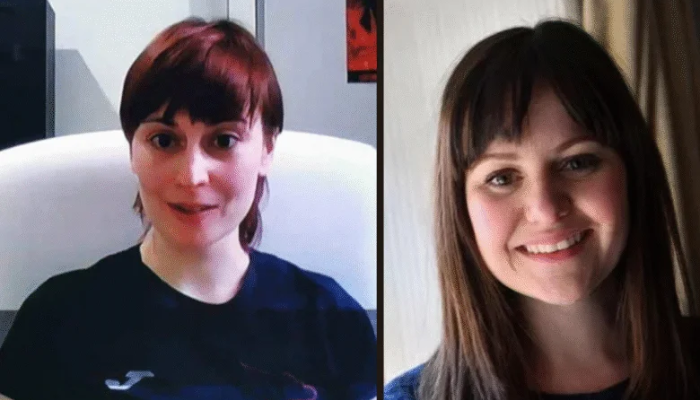
In the fast-moving world of social media, unexpected moments can instantly turn ordinary people into global internet sensations. Yvette Amos is one such individual whose brief appearance during a televised interview captured the curiosity of millions across the world. What seemed like a routine interview quickly turned into a viral moment, sparking countless reactions, memes, and online discussions.
The sudden rise in searches for Yvette Amos reflects how a single moment on live television can spark widespread attention. People were intrigued not only by the humorous circumstances surrounding the clip but also by the mystery of who she really is. While the internet quickly amplified the viral moment, many viewers began searching for more information about her background, career, and the story behind the now-famous interview.
This article explores the life of Yvette Amos, the event that made her go viral, and the cultural impact of her unexpected internet fame. From her personal background to the global response to the viral clip, we will take an in-depth look at the phenomenon that turned her into an overnight internet talking point.
The Background and Early Life of Yvette Amos
Before becoming an internet sensation, Yvette Amos lived a relatively private life away from the global spotlight. Like many individuals who unexpectedly become viral figures, very little public information existed about her before the now-famous interview moment. This lack of public background only fueled curiosity among viewers and social media users.
Reports suggest that Yvette Amos was involved in advocacy and social discussions related to employment and economic issues. Her appearance on television was connected to discussions about unemployment and job challenges during the pandemic era. Many people across the world were experiencing similar struggles at that time, making her interview particularly relevant to the broader social conversation.
The limited details about her personal life also highlight an important reality of internet fame: not everyone who goes viral is a public figure or celebrity. Yvette Amos represents a category of individuals who become widely known due to a single moment captured on camera. Despite the intense attention she received online, her background suggests she was simply participating in an important public discussion when the viral moment occurred.
This sudden public interest transformed her from a relatively unknown individual into someone whose name began trending across search engines and social media platforms.
The Viral BBC Interview That Made Yvette Amos Famous
The moment that brought Yvette Amos global attention occurred during a remote television interview broadcast on BBC Wales. Like many interviews during the pandemic, the conversation took place via a video call, with the interviewee appearing from home. Remote interviews became common during this period, as broadcasters adapted to health restrictions and remote communication.
During the interview, viewers quickly noticed an unexpected detail in the background of Yvette Amos’s video frame. The item, visible on a shelf behind her, sparked widespread amusement and curiosity among viewers watching the broadcast. Within minutes of the clip appearing online, social media users began sharing screenshots and commenting on the unexpected background detail.
What might have gone unnoticed in a traditional television broadcast quickly became viral content once shared on platforms like Twitter, Reddit, and Facebook. Memes, jokes, and humorous commentary spread rapidly, turning the brief moment into a widely discussed internet phenomenon.
Interestingly, the viral moment had little to do with the actual topic of the interview. Yvette Amos had been discussing serious economic issues, including unemployment and financial challenges faced by many people during the pandemic. However, the background detail unintentionally stole the spotlight, illustrating how quickly internet culture can shift attention toward humorous or unexpected visual moments.
This incident demonstrated the unpredictable nature of viral content in the digital age.
Why the Yvette Amos Moment Went Viral
There are several reasons why the Yvette Amos interview moment spread so quickly across the internet. One major factor was the timing. During the pandemic, millions of people were spending more time online and watching remote interviews, virtual meetings, and home-based broadcasts. This created the perfect environment for small, humorous details to be noticed and shared widely.
Another reason for the viral success of the Yvette Amos clip was relatability. Many people had experienced awkward or unexpected moments during video calls while working from home. From pets walking into the frame to family members accidentally appearing on camera, remote communication had already produced many funny situations. The interview moment felt like a natural extension of this shared experience.
Social media also played a critical role in amplifying the clip. Once screenshots began circulating, users added captions, jokes, and memes that increased the clip’s visibility. Each share introduced the moment to a new audience, creating a ripple effect across digital platforms.
Furthermore, the contrast between the serious topic of the interview and the unexpected background detail created a comedic effect. Internet users often gravitate toward moments that combine seriousness with humor, and the Yvette Amos interview delivered exactly that type of contrast.
The viral spread highlights how modern digital culture thrives on spontaneous and authentic moments.
Internet Culture and the Impact of Viral Moments
The story of Yvette Amos also reflects a larger trend in internet culture where everyday individuals suddenly find themselves at the center of global attention. In the past, viral fame was mostly associated with entertainers or public figures. However, the rise of social media has changed that dynamic dramatically.
Today, anyone appearing on camera—whether in a news interview, livestream, or video call—has the potential to become viral. This phenomenon has created a new category of internet personalities known as “accidental viral stars.” Yvette Amos is a clear example of how ordinary people can become widely recognized almost overnight.
The impact of viral fame can be both positive and challenging. On one hand, viral moments often bring humor and entertainment to millions of viewers. They create shared cultural experiences that people discuss, meme, and remember for years. On the other hand, the individuals involved may suddenly face intense online attention and scrutiny.
In the case of Yvette Amos, many viewers responded with humor and lighthearted reactions. The moment became more about internet amusement than criticism. However, the situation also reminds us of the importance of understanding the human side behind viral clips. Every viral moment involves a real person who may not have expected global attention.
The internet’s ability to amplify small moments has fundamentally changed the way media and culture interact.
Public Reactions and Media Coverage
After the clip spread online, the name Yvette Amos quickly began trending on search engines and social media platforms. News outlets and entertainment websites started covering the story, explaining the context behind the viral interview and the reason viewers were discussing it.
Many social media users shared humorous reactions, while others focused on the broader lesson about background awareness during video calls. The moment even sparked conversations about how people present themselves during remote interviews and meetings.
Interestingly, the viral attention also brought renewed focus to the issues discussed during the interview itself. While the humorous background detail initially dominated discussions, some viewers later returned to the original topic of the interview—unemployment and economic struggles.
This shift demonstrated how viral moments can sometimes bring additional attention to important social issues. Even though the internet initially focused on humor, the clip eventually encouraged viewers to revisit the serious discussion that Yvette Amos had been participating in.
In many ways, the viral moment became a unique blend of internet humor and public awareness.
Conclusion
The story of Yvette Amos is a fascinating example of how quickly the internet can transform a simple television interview into a global conversation. A brief moment during a remote broadcast turned into a viral sensation, capturing the attention of viewers across the world.
While the humorous detail in the background sparked the initial reaction, the event also highlights broader themes about digital culture, remote communication, and the unpredictable nature of viral fame. Yvette Amos became part of internet history not through deliberate actions, but through a spontaneous moment that resonated with online audiences.
As social media continues to shape modern communication, similar viral moments will likely continue to emerge. The story serves as a reminder that in the age of digital media, even the smallest details can capture global attention.
Ultimately, the viral fame of Yvette Amos reflects the power of the internet to turn everyday situations into cultural phenomena.
FAQs About Yvette Amos
1. Who is Yvette Amos?
Yvette Amos is a woman who gained international attention after appearing in a BBC Wales interview that went viral due to a humorous background detail.
2. Why did Yvette Amos become famous?
She became famous after viewers noticed an unexpected item in the background during her televised video interview, which quickly went viral online.
3. When did the Yvette Amos interview go viral?
The interview gained viral attention during the COVID-19 pandemic when remote interviews were common.
4. What was the interview about?
The interview primarily discussed unemployment and economic challenges faced by people during the pandemic.
5. Was the viral moment intentional?
No, the viral moment was completely accidental and happened due to a background item visible during the video call.
6. Which television network aired the interview?
The interview was aired on BBC Wales as part of a news discussion.
7. Did Yvette Amos respond to the viral attention?
There has been limited public response from Yvette Amos, which has added to the curiosity surrounding her.
8. Why do viral moments like this spread so quickly?
Social media platforms allow users to instantly share screenshots, memes, and clips, which helps content spread rapidly.
9. What can people learn from the Yvette Amos incident?
It highlights the importance of checking backgrounds during video calls and how quickly online content can go viral.
10. Is Yvette Amos still active in media?
There is limited public information about her continued media appearances after the viral interview moment.












Leave a Reply