

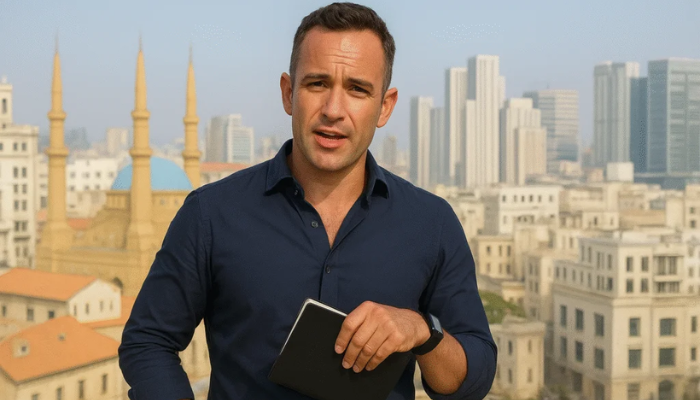
Hugo Bachega accent has become a topic of growing curiosity among global news audiences who regularly hear his voice delivering major international stories. Accents often shape how listeners perceive credibility, authority, and relatability, and Hugo Bachega’s way of speaking stands out for its clarity, neutrality, and subtle international tone. For many viewers and listeners, his accent feels familiar yet intriguingly distinctive, prompting questions about where it comes from and why it sounds the way it does.
In this in-depth article, we explore the Hugo Bachega accent from multiple angles, including its linguistic roots, phonetic features, audience perception, and professional significance. Rather than focusing on stereotypes, this piece aims to explain how accents are formed, how they evolve, and why Hugo Bachega’s accent resonates so strongly in international journalism. By the end, you will have a comprehensive understanding of what makes the Hugo Bachega accent unique and why it matters in today’s global media landscape.
The Origins of the Hugo Bachega Accent
The Hugo Bachega accent is shaped by a combination of geographical, cultural, and professional influences. Accents rarely come from a single source; instead, they develop over time as speakers interact with different languages, regions, and speech communities. In Hugo Bachega’s case, his background and international exposure contribute to an accent that does not fit neatly into one regional category.
This blended quality is common among journalists who work in international environments. Living, studying, or working across borders often smooths out strong regional markers while preserving certain phonetic traits. The Hugo Bachega accent reflects this process, resulting in speech that feels globally accessible while still retaining a personal identity.
Another important factor behind the Hugo Bachega accent is professional voice training. Broadcast journalists are often trained to speak clearly, with controlled pacing and neutral pronunciation. This does not erase an accent but refines it. Over time, consistent use of standardized broadcast English can soften stronger regional sounds, creating an accent that is easy to understand for a worldwide audience.
Ultimately, the origins of the Hugo Bachega accent highlight how modern accents are dynamic rather than fixed. They evolve with experience, education, and environment, making his speech a living example of linguistic adaptation in a globalized world.
Key Linguistic Features of the Hugo Bachega Accent
One of the most noticeable characteristics of the Hugo Bachega accent is its clarity. Each word is articulated carefully, with minimal slurring or extreme intonation shifts. This precision is especially important in news reporting, where clarity ensures that complex information is easily understood by diverse audiences.
Vowel pronunciation plays a significant role in shaping the Hugo Bachega accent. His vowels tend to be balanced and neutral, avoiding exaggerated regional elongation or compression. This results in a smooth, even sound that listeners often associate with professionalism and trustworthiness. Consonants are similarly well-defined, contributing to the crisp overall delivery.
Another linguistic feature of the Hugo Bachega accent is controlled rhythm. His speech maintains a steady pace, neither rushed nor overly slow. This rhythmic consistency allows listeners to follow along comfortably, even during emotionally intense or information-heavy reports. Stress patterns are applied thoughtfully, highlighting key points without sounding dramatic.
Intonation also deserves attention when analyzing the Hugo Bachega accent. His pitch variation is subtle, avoiding extremes that might distract from the content. This understated intonation supports a calm and authoritative tone, reinforcing his role as a reliable narrator of global events.
How Audiences Perceive the Hugo Bachega Accent
Audience perception plays a crucial role in why the Hugo Bachega accent attracts attention. Many listeners describe it as “neutral” or “international,” terms often used when an accent does not strongly signal a specific region. This perceived neutrality helps audiences focus on the message rather than the speaker’s background.
The Hugo Bachega accent is frequently associated with credibility. Research in communication studies suggests that clear and measured speech patterns are often interpreted as more trustworthy. His accent aligns well with these expectations, which may explain why audiences feel confident in the information being delivered.
Another reason the Hugo Bachega accent resonates with listeners is its relatability. In a globalized world, many people interact daily with speakers from different linguistic backgrounds. An accent that reflects international exposure can feel familiar to a wide audience, bridging cultural gaps rather than emphasizing them.
Importantly, perception of the Hugo Bachega accent is also shaped by context. When paired with serious reporting and composed body language, the accent reinforces a professional image. This synergy between voice and content strengthens audience engagement and long-term recognition.
The Role of the Hugo Bachega Accent in Journalism
In journalism, voice is more than a personal trait; it is a professional tool. The Hugo Bachega accent demonstrates how speech patterns can support journalistic integrity. Clear pronunciation and balanced intonation help ensure that critical information is delivered accurately and without ambiguity.
The Hugo Bachega accent also supports emotional balance in reporting. When covering sensitive or high-stakes topics, an overly expressive accent might unintentionally amplify emotions. His controlled delivery allows the facts to take center stage while maintaining appropriate empathy and seriousness.
Another professional advantage of the Hugo Bachega accent is adaptability. A neutral, internationally influenced accent works well across different regions and audiences. This versatility is especially valuable for journalists who report on global affairs, as it minimizes barriers to understanding.
Finally, the Hugo Bachega accent contributes to brand identity. In broadcast journalism, a recognizable voice helps build familiarity and trust over time. While the accent itself is subtle, its consistency makes it memorable, reinforcing his presence in the media landscape.
Why the Hugo Bachega Accent Stands Out Globally
The global appeal of the Hugo Bachega accent lies in its balance. It is neither heavily regional nor completely anonymous. This middle ground allows it to stand out without overshadowing the content. Listeners notice it, but they are not distracted by it.
Another reason the Hugo Bachega accent stands out is its alignment with modern communication values. Today’s audiences value clarity, inclusivity, and authenticity. An accent shaped by international exposure reflects these values, signaling openness and global awareness.
The Hugo Bachega accent also benefits from consistency across different reporting contexts. Whether delivering breaking news or in-depth analysis, the accent remains steady. This consistency builds listener confidence and reinforces a sense of reliability.
In a world where accents are increasingly diverse and fluid, the Hugo Bachega accent represents a modern linguistic identity. It shows how professional communication can embrace diversity while maintaining clarity and effectiveness on a global stage.
Conclusion
The Hugo Bachega accent is more than just a way of speaking; it is a reflection of global experience, professional training, and modern journalism. Its origins lie in a blend of cultural influences, refined through broadcast standards and international exposure. Linguistically, it stands out for its clarity, balanced vowels, controlled rhythm, and subtle intonation.
Audience perception of the Hugo Bachega accent highlights its credibility, relatability, and neutrality, all of which enhance trust and engagement. In journalism, this accent serves as a powerful tool, supporting accurate reporting and emotional balance. Ultimately, its global appeal comes from its ability to connect with diverse audiences without losing individuality.
By understanding the Hugo Bachega accent, we gain insight into how language evolves in a globalized media environment and why certain voices resonate more strongly than others.
Frequently Asked Questions (FAQs)
1. What is unique about the Hugo Bachega accent?
The Hugo Bachega accent is unique due to its clarity, neutral tone, and subtle international influence, making it easily understandable to global audiences.
2. Is the Hugo Bachega accent considered British?
It may sound broadly British to some listeners, but it lacks strong regional markers, giving it a more international quality.
3. Why do people notice the Hugo Bachega accent so much?
People notice it because it is clear, professional, and distinctive without being strongly regional or distracting.
4. Has professional training influenced the Hugo Bachega accent?
Yes, broadcast journalism training often refines pronunciation and pacing, shaping a clear and controlled speaking style.
5. Does the Hugo Bachega accent help in journalism?
Absolutely. Its neutrality and clarity support accurate reporting and audience trust.
6. Is the Hugo Bachega accent natural or learned?
It is likely a combination of natural background influences and professional refinement over time.
7. How does the Hugo Bachega accent compare to other journalists?
Compared to strongly regional accents, it is more neutral and internationally accessible.
8. Can accents like Hugo Bachega’s change over time?
Yes, accents evolve with continued exposure, environment, and professional demands.
9. Do international audiences prefer the Hugo Bachega accent?
Many international listeners find it easy to understand and reassuring, which enhances its appeal.
10. What does the Hugo Bachega accent represent in modern media?
It represents a globalized, inclusive approach to communication that values clarity, professionalism, and connection.












Leave a Reply