

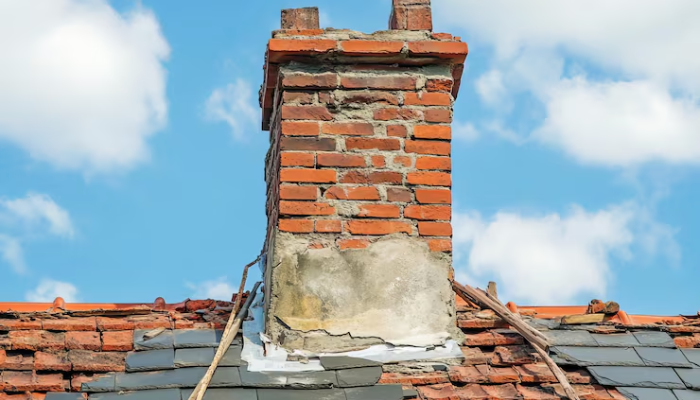
When it comes to home maintenance, chimney repair is often overlooked—until a problem becomes impossible to ignore. Whether you use your fireplace regularly or only during colder months, your chimney plays a critical role in ventilation, safety, and overall home efficiency. A damaged chimney can lead to serious issues like smoke buildup, water leaks, or even fire hazards.
This comprehensive guide to chimney repair will walk you through everything you need to know—from identifying early warning signs to understanding repair methods and costs. Whether you’re a homeowner, landlord, or property manager, this article will equip you with practical insights to keep your chimney in top condition while improving your home’s safety and value.
Understanding Chimney Repair and Why It Matters
Chimney repair involves fixing structural damage, restoring functionality, and ensuring safe operation of your chimney system. Over time, chimneys are exposed to extreme weather conditions, moisture, and heat, which can cause wear and tear. Cracked bricks, deteriorating mortar joints, and damaged liners are common issues that require timely repair.
Ignoring chimney problems can lead to severe consequences. For instance, a cracked flue liner may allow dangerous gases like carbon monoxide to seep into your home. Similarly, water penetration can weaken the chimney structure, leading to costly repairs or even collapse. Investing in regular chimney repair ensures not only safety but also efficiency in heating.
Additionally, chimney repair enhances the lifespan of your entire fireplace system. Routine maintenance and timely fixes prevent minor issues from escalating into major structural problems. This proactive approach saves money in the long run while maintaining your home’s aesthetic appeal.
Common Chimney Problems That Require Repair
One of the most frequent issues homeowners face is cracked or crumbling mortar joints, often referred to as “spalling.” This occurs when moisture enters the brickwork and freezes, causing the bricks to expand and break apart. Chimney repair in such cases typically involves tuckpointing or replacing damaged bricks.
Another common problem is chimney leaks. Water can enter through the chimney crown, flashing, or even the bricks themselves if they are not properly sealed. Signs of leaks include damp walls, musty odors, and visible water stains. Repairing leaks often involves sealing, flashing replacement, or crown repair.
Creosote buildup is another major concern. This flammable substance accumulates inside the chimney due to incomplete combustion of wood. If not cleaned regularly, it can lead to chimney fires. Professional chimney repair services often include cleaning and inspection to remove creosote safely.
Structural damage, such as leaning chimneys or foundation cracks, is more serious and requires immediate attention. These issues may stem from poor construction, soil movement, or prolonged neglect. In such cases, chimney repair might involve partial or complete rebuilding.
Types of Chimney Repair Services Explained
Chimney repair encompasses a variety of services tailored to specific problems. One of the most common services is tuckpointing, which involves removing damaged mortar and replacing it with new material. This not only strengthens the chimney but also improves its appearance.
Another essential service is chimney relining. The flue liner protects your home from heat and combustion gases. If it becomes damaged, relining is necessary to restore safety. Materials such as stainless steel or clay tiles are commonly used in this process.
Chimney crown repair is also crucial. The crown acts as a protective barrier at the top of the chimney, preventing water from entering. Cracks in the crown can lead to significant water damage, making timely repair essential.
Flashing repair is another important aspect of chimney maintenance. Flashing is the metal seal between the chimney and the roof. If it becomes loose or corroded, water can seep into your home. Repairing or replacing flashing ensures a watertight seal.
Finally, chimney cap installation is a preventive measure that keeps out rain, debris, and animals. While not a repair in the strictest sense, it plays a vital role in maintaining chimney health.
Cost of Chimney Repair and What Influences It
The cost of chimney repair can vary widely depending on the type and extent of the damage. Minor repairs like sealing cracks or replacing a chimney cap are relatively affordable, while major structural repairs can be more expensive.
Several factors influence the cost of chimney repair. The height and accessibility of the chimney play a significant role, as taller chimneys require more labor and equipment. The materials used for repair also impact the overall cost. For example, stainless steel liners are more expensive than clay tiles but offer greater durability.
Labor costs vary based on location and the complexity of the repair. Hiring experienced professionals ensures quality work but may come at a higher price. However, cutting corners on chimney repair can lead to more costly issues in the future.
Seasonal demand can also affect pricing. Chimney repair services are often in high demand during fall and winter, leading to higher costs. Scheduling repairs during off-peak seasons can help you save money while ensuring timely maintenance.
Tips for Maintaining Your Chimney After Repair
Once your chimney repair is complete, proper maintenance is key to preventing future problems. Regular inspections are essential—experts recommend having your chimney inspected at least once a year. This helps identify issues early and ensures safe operation.
Cleaning your chimney regularly is equally important. Removing soot and creosote buildup not only improves efficiency but also reduces fire risk. Professional chimney sweeps use specialized tools to clean thoroughly and safely.
Waterproofing is another effective maintenance strategy. Applying a breathable waterproof sealant protects the chimney from moisture without trapping internal humidity. This prevents spalling and extends the life of the masonry.
Installing a chimney cap and maintaining proper ventilation also contribute to long-term durability. Additionally, keeping an eye on visible signs of damage—such as cracks, discoloration, or leaning—allows you to address issues promptly.
Finally, always use seasoned wood for burning. Wet or unseasoned wood produces more smoke and creosote, increasing the need for chimney repair. By following these maintenance tips, you can ensure your chimney remains in excellent condition for years to come.
Conclusion
Chimney repair is not just a routine home maintenance task—it’s a crucial investment in your safety, comfort, and property value. From minor fixes like sealing cracks to major structural repairs, addressing chimney issues promptly can prevent costly damage and hazardous situations.
By understanding common problems, repair methods, and maintenance practices, you can take a proactive approach to chimney care. Whether you choose to handle minor repairs yourself or hire professionals for complex issues, staying informed is the key to a well-functioning chimney system.
Make chimney repair a priority, and your home will thank you with warmth, safety, and long-lasting performance.
FAQs About Chimney Repair
1. How often should I schedule chimney repair or inspection?
You should have your chimney inspected at least once a year, even if you don’t use it frequently.
2. What are the signs that I need chimney repair?
Common signs include cracks, water leaks, smoke issues, and crumbling mortar.
3. Can I do chimney repair myself?
Minor repairs may be DIY-friendly, but major structural issues require professional expertise.
4. How long does chimney repair take?
It depends on the extent of damage—minor repairs may take a few hours, while major ones can take days.
5. Is chimney repair expensive?
Costs vary widely, but early repairs are generally more affordable than major fixes.
6. What causes chimney damage?
Weather exposure, moisture, poor maintenance, and regular wear and tear are common causes.
7. What is chimney relining and why is it important?
Relining replaces the flue liner to ensure safe ventilation and prevent gas leaks.
8. How can I prevent chimney leaks?
Regular maintenance, waterproofing, and proper flashing installation help prevent leaks.
9. Do I need a chimney cap?
Yes, a chimney cap protects against water, debris, and animals entering the chimney.
10. When should I call a professional for chimney repair?
If you notice structural damage, leaks, or smoke issues, it’s best to consult a professional immediately.













Leave a Reply